This chapter of the e-book provides information on the political economy considerations of WARFP stakeholders through the application of a Net-Map exercise in Liberia and The Gambia. The exercise was a follow-on activity of fisheries infrastructure development under WARFP in Liberia—ACGF (P159912) supported by the Africa Catalytic Growth Fund (ACGF). ACGF looked to leverage lessons and experience garnered during its implementation in Liberia to inform preparation of later WARFP projects, including in The Gambia. To this end, ACGF supported stakeholder mapping for relevant value chains in both countries. Implementation of this exercise followed from Recommendation #2 from the community-led fisheries management and microfinance program in Senegal and Cabo Verde (Chapter 1). The full report for stakeholder network mapping in Liberia and Gambia is available here.
The Africa Catalytic Growth Fund (ACGF) supported interventions where there was evidence of demonstrable and sustained commitment to decisive reform and where funding could drive development results, but where there were critical limitations in capacity and resources. One such supported intervention was WARFP, which addressed regional challenges in West Africa fisheries.
Net-Map is a low-tech, low-cost, interview-based stakeholder mapping tool developed at the International Food Policy Research Institute (IFPRI) to capture linkages, levels of influence, and goals of multiple stakeholders. Stakeholder mapping can help project teams understand, visualize, discuss, and improve situations in which many different actors influence outcomes. The tool also allows users to be more strategic about their engagement in these complex situations. The tool can be used at the national/local/community level to develop inputs to political economy analysis, as well as in the design of coalition-building strategies and adaptive programming.
Introductory Video on Net-Map
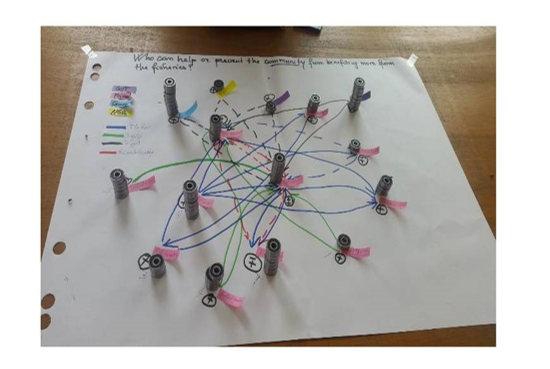
Example of Net-Map for Liberia Fish Processors
Source: Arthur E. Neiland, Stakeholder Network Mapping in Liberia and Gambia.
Aspects of political economy, while often overlooked, can play a crucial role in designing and
implementing
successful projects.
World Bank–financed fisheries projects typically support a wide range of interventions, including
fishing and fish farming; monitoring, control and surveillance (MCS); post-harvest fish handling;
and community-level activities. However, integration of the results of these activities is often
lacking. Such integration can be achieved through appropriate consideration of various interests and
aspects of political economy among actors and stakeholders along value chains. (This view has been
adopted in the
Coastal Fisheries Initiative (CFI)-Challenge Fund project.
Given that understanding stakeholder dynamics along value chains is crucial, the interactions between stakeholders that directly and indirectly used the fisheries-related infrastructure in Liberia and the Gambia were investigated using Net-Map.


The Net-Map exercise demonstrated a very practical and powerful way to engage with stakeholders. It was particularly useful for clarifying the structure and operation of the value chain based on the perspectives of a range of stakeholders (such as government, fishers, processors, and traders). It also certainly contributed to a better understanding of the basic features of the stakeholder network (for example, what actors are involved, how they are linked, how influential they are, and what their goals are).
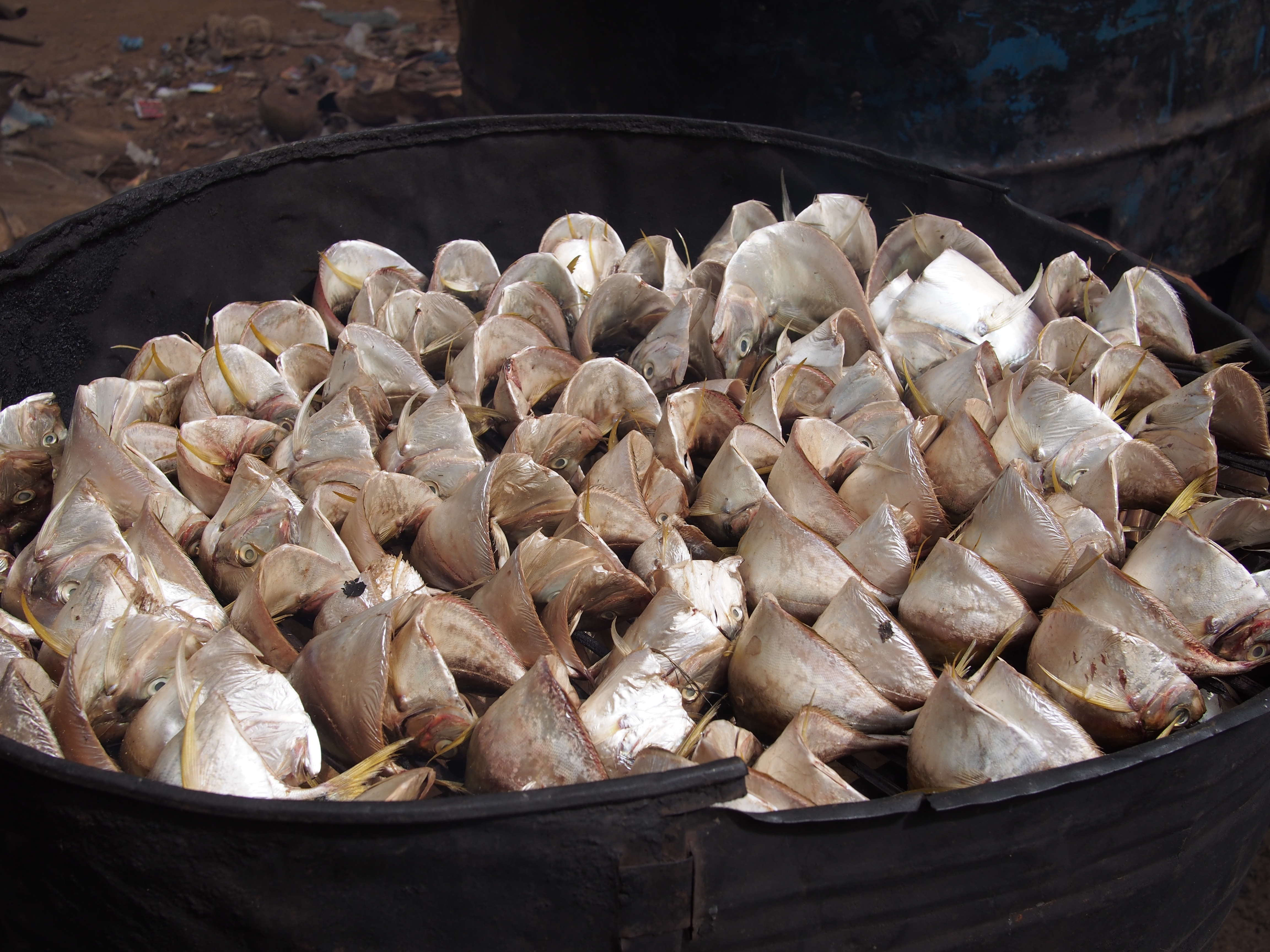
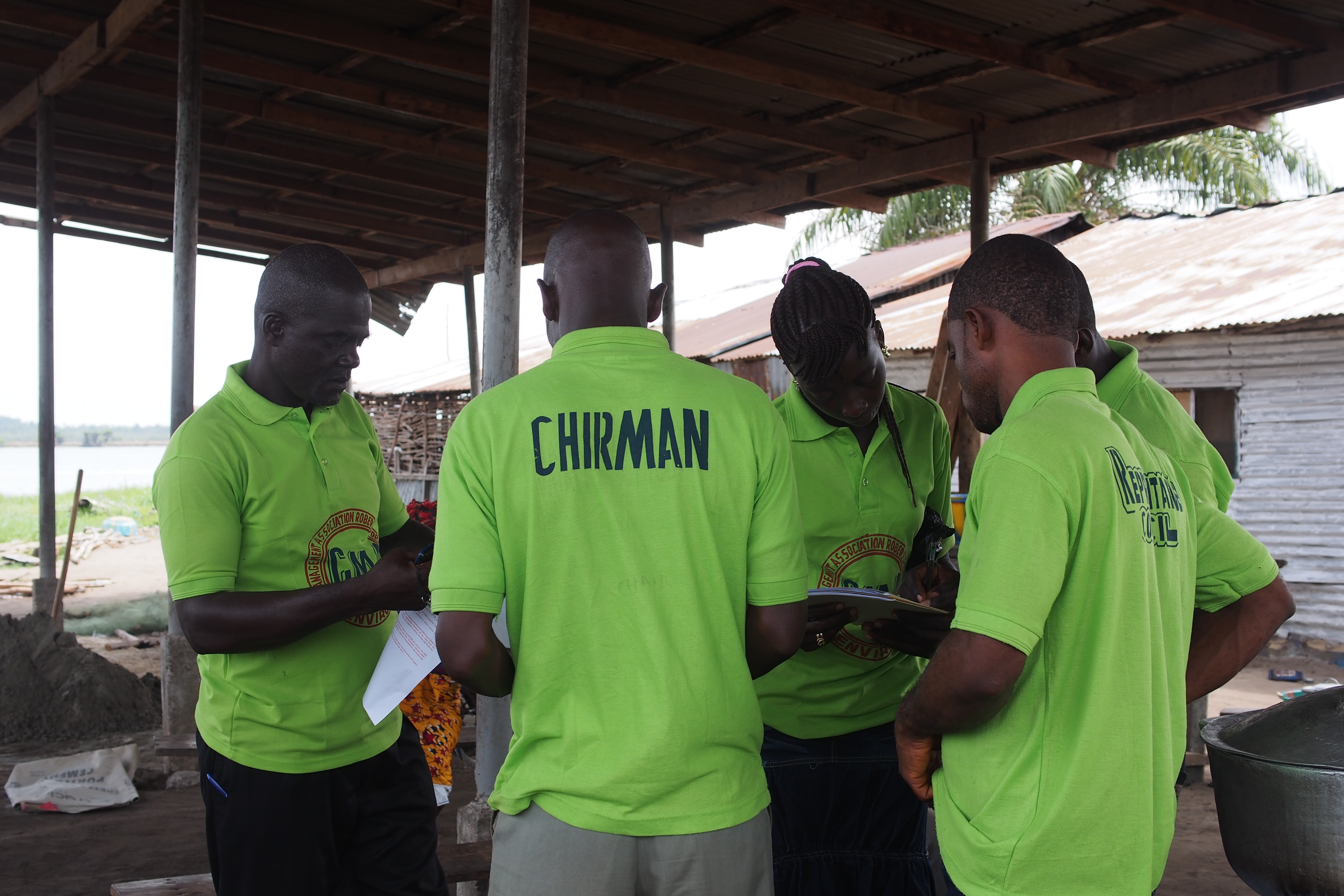
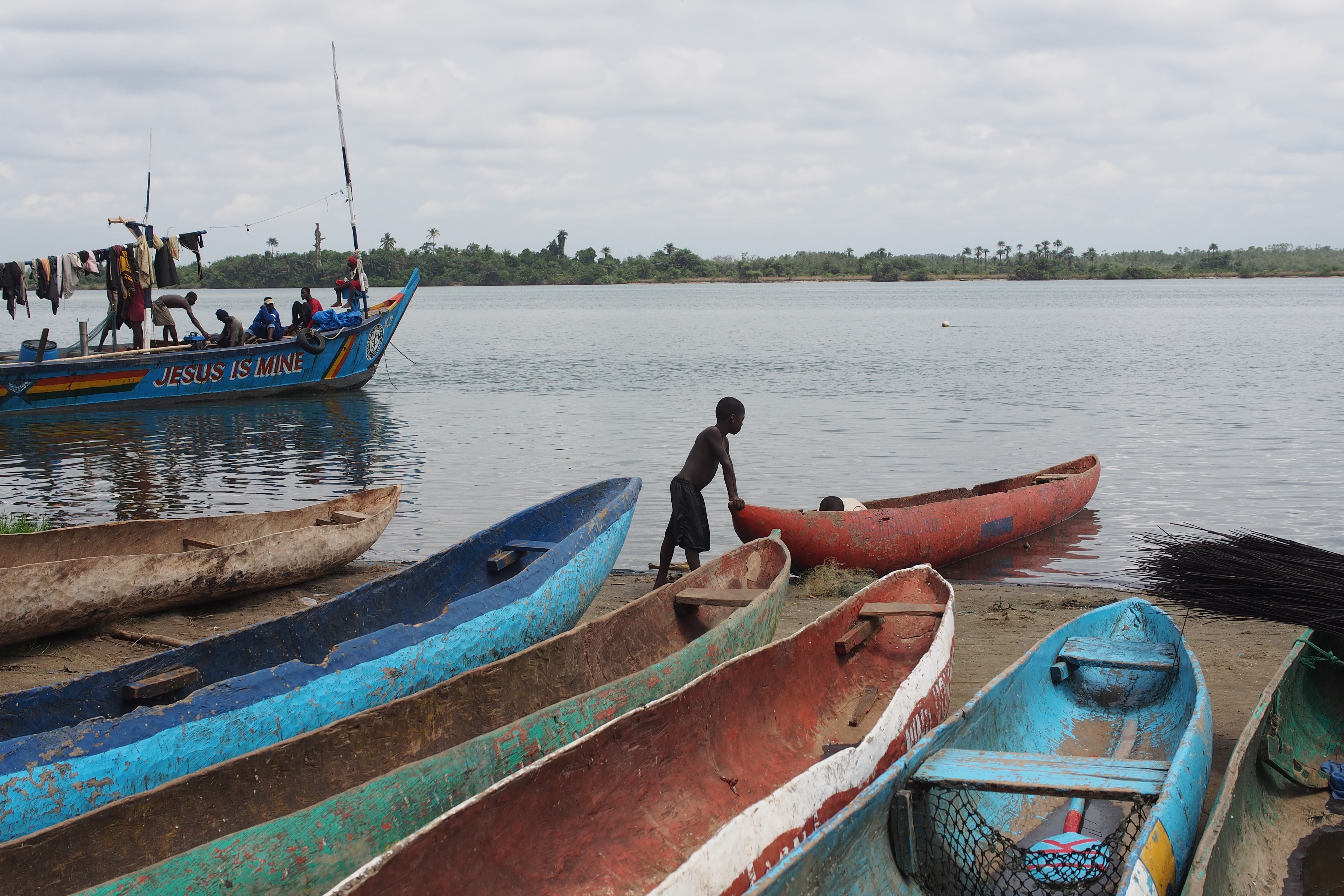
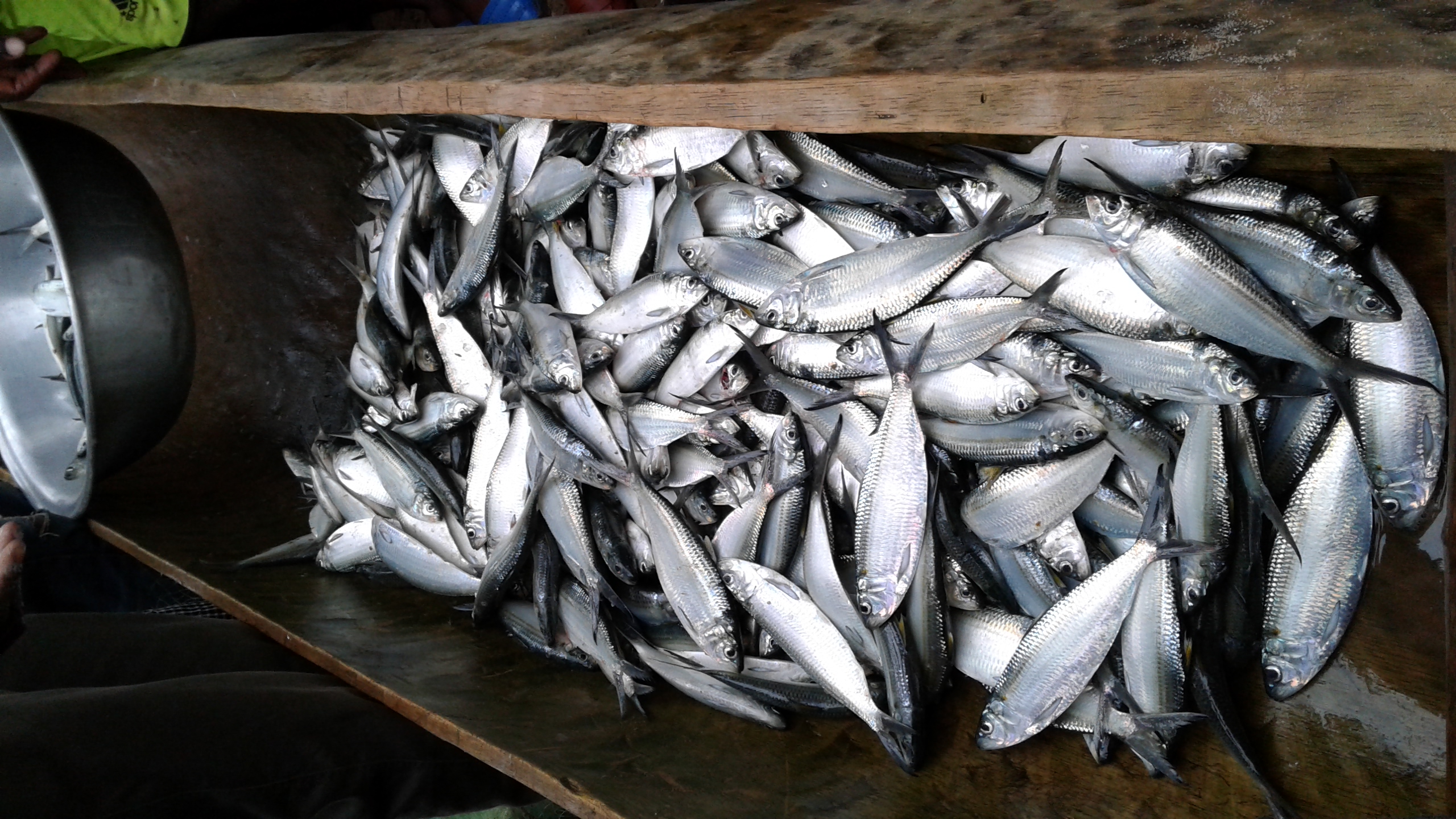
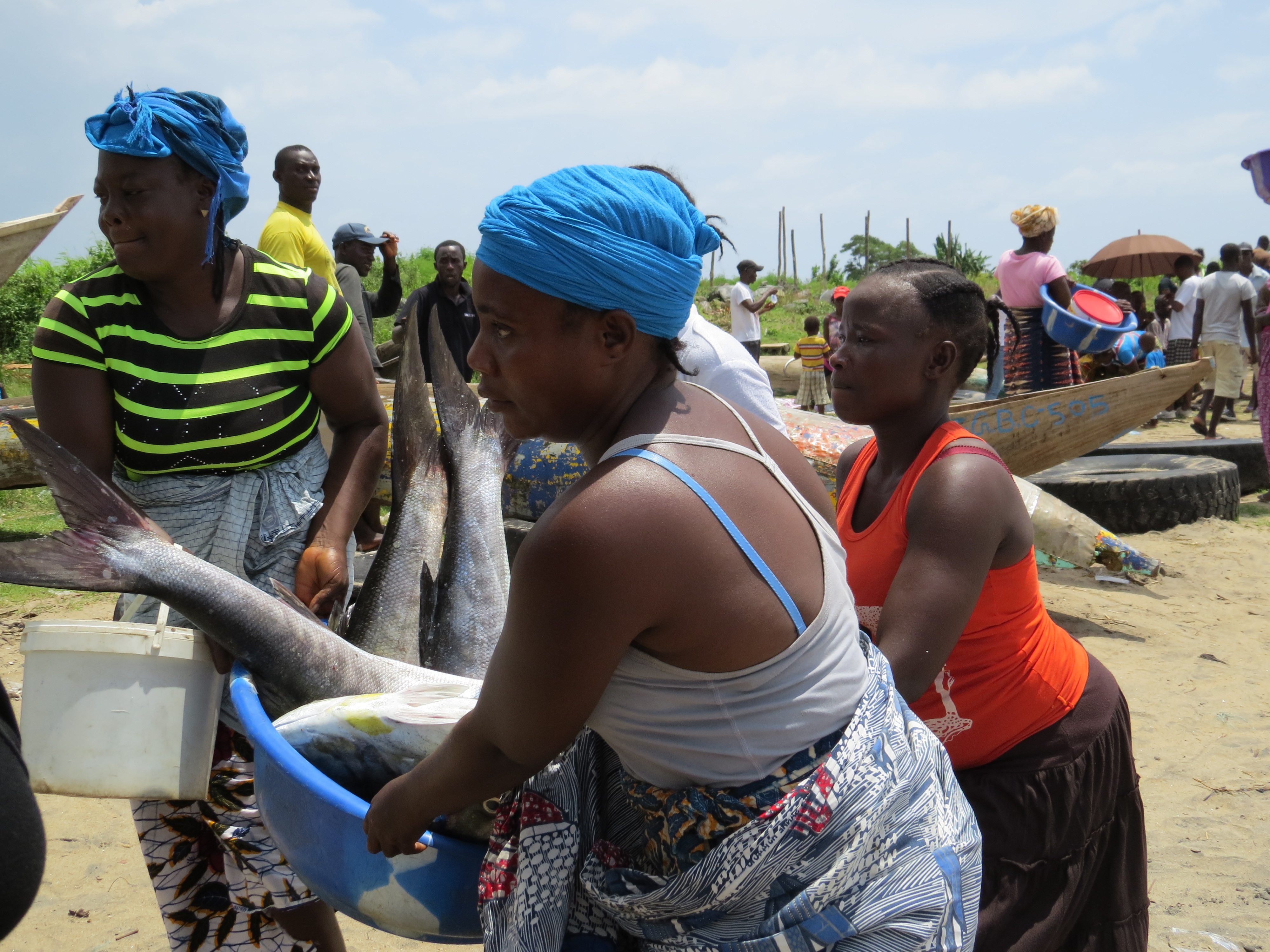
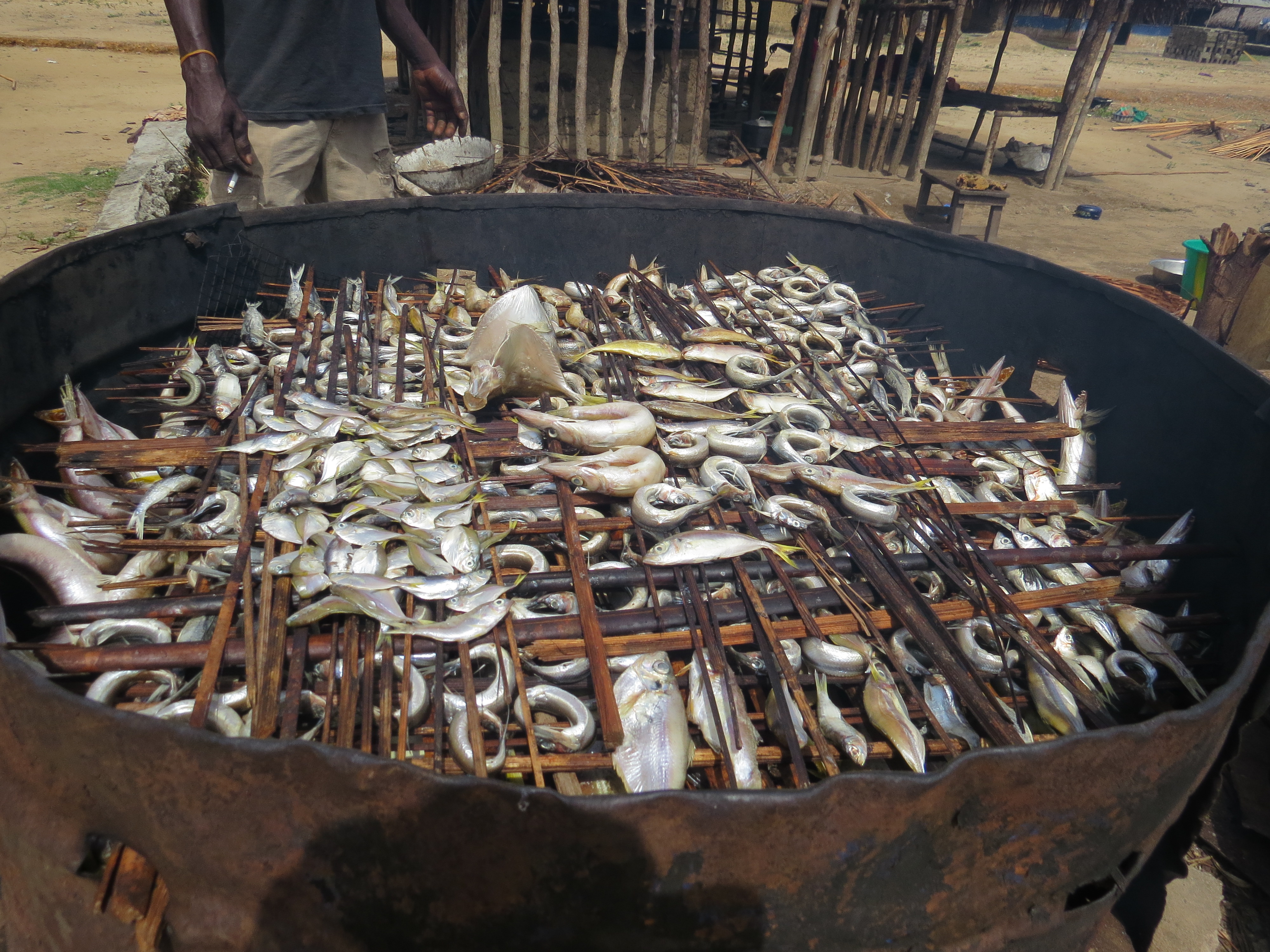
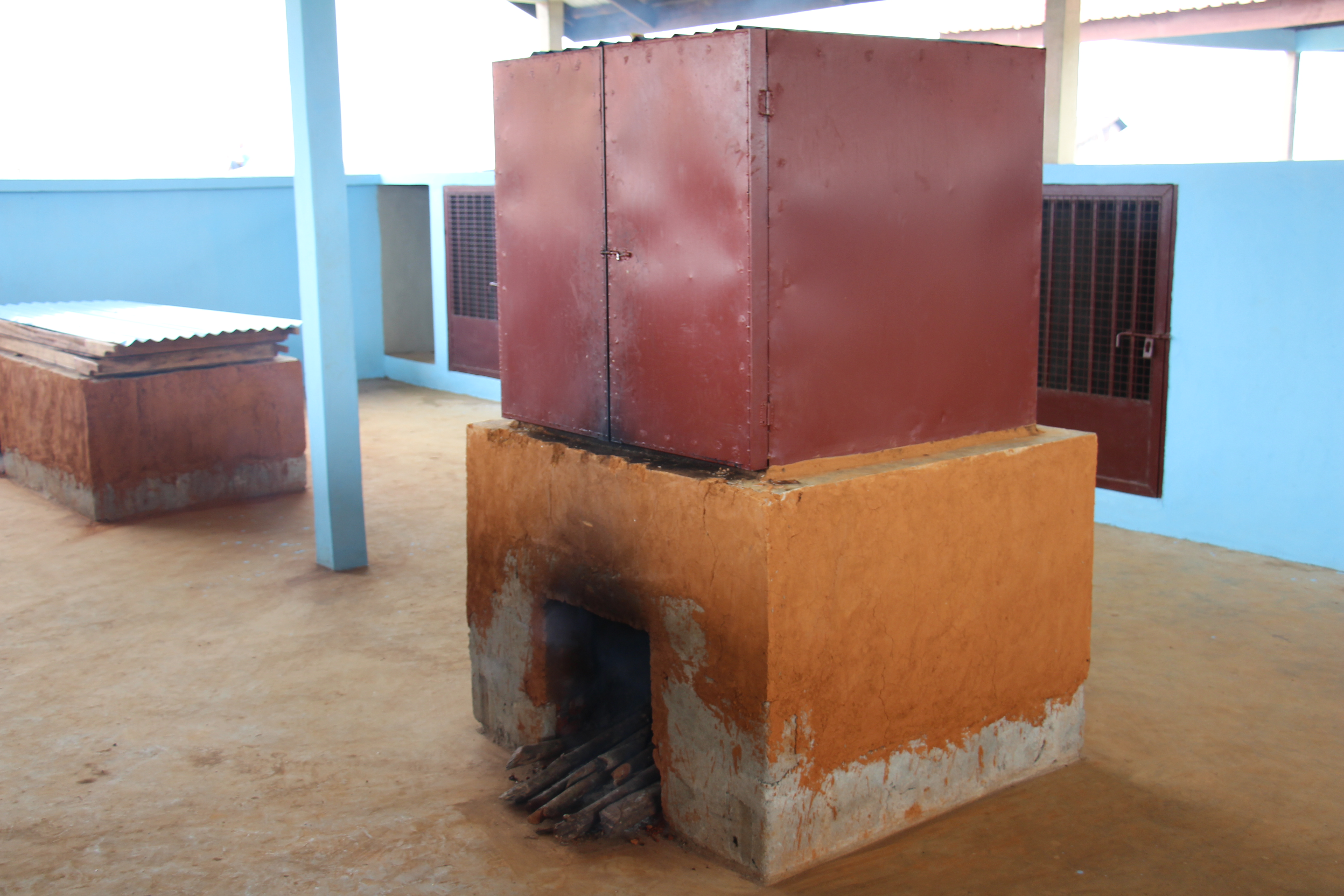
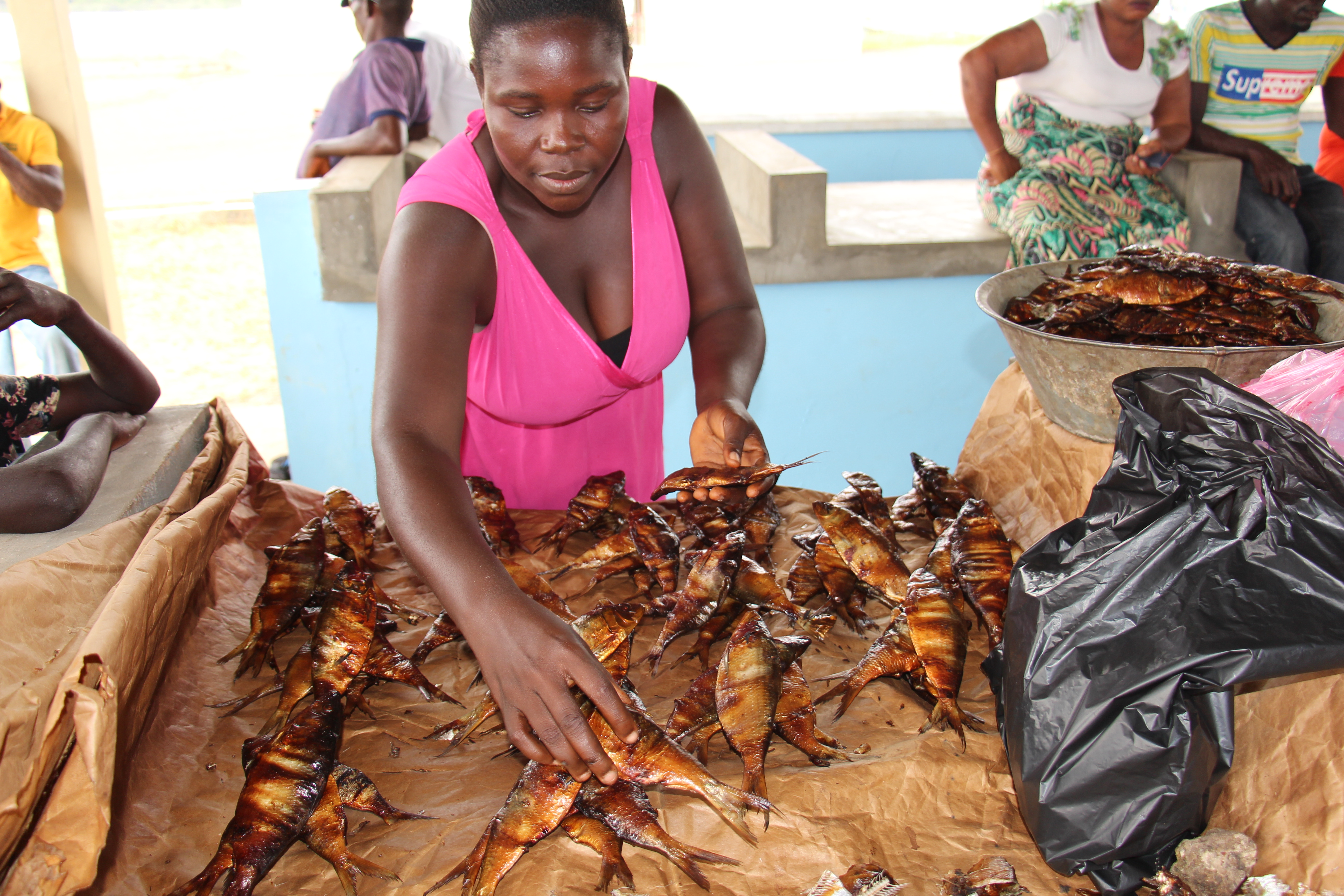
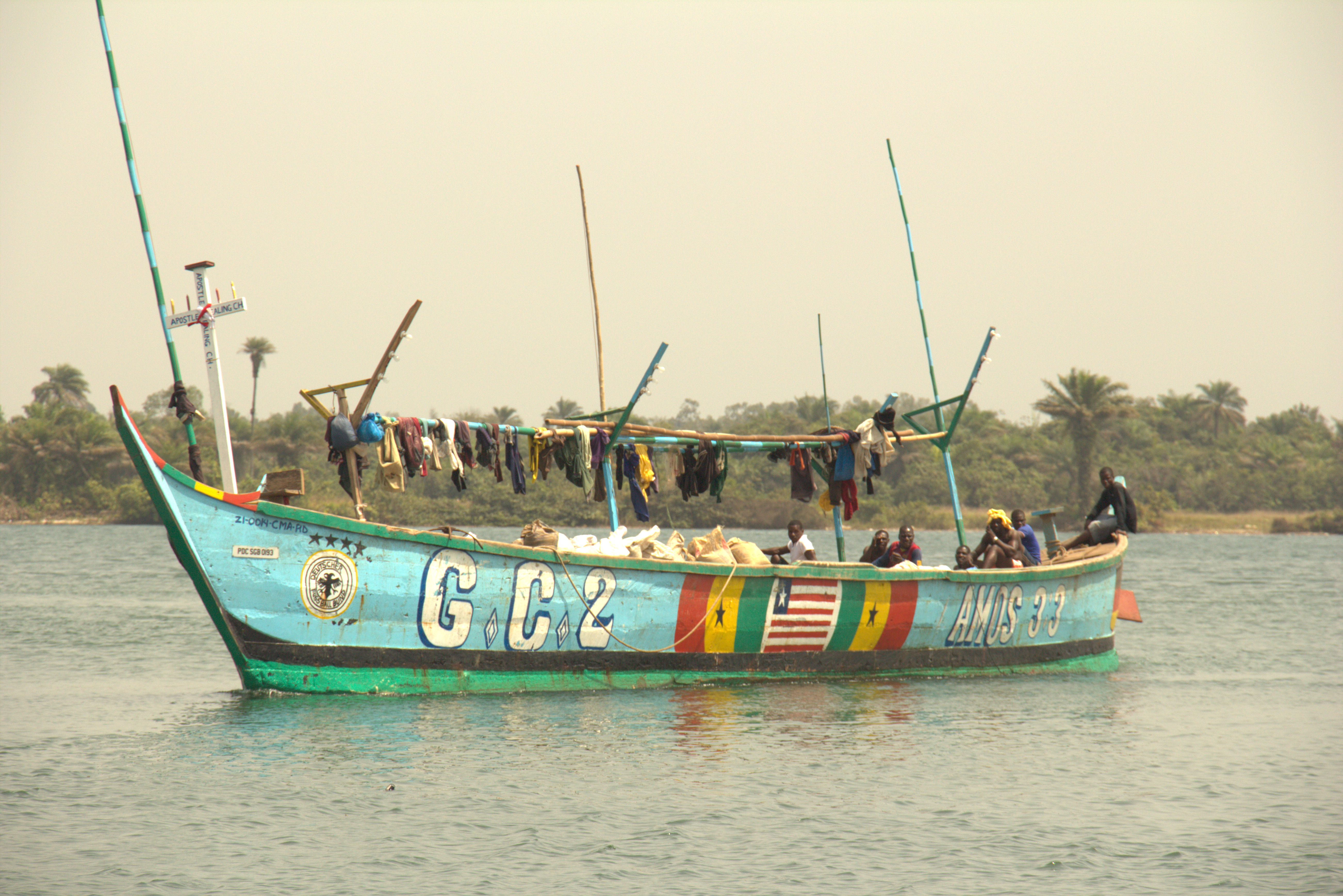
The value chain and network mapping allowed the team to assess the self-perceptions of local community stakeholder groups, as well as the self-perceptions of other stakeholder groups within the fisheries sector (both public and private actors in the value chain). The Net-Map exercise also facilitated conversations among local stakeholders, which enhanced their capacity to analyze current and future state scenarios and informed future engagement with development partners. Crucial drivers of success and failure were identified, especially with regards to behavioral change related to the use and maintenance of infrastructure. Also identified were drivers of the socioeconomic impact of interventions and drivers of and obstacles to the contribution of marine fish resources to the national economy.
Figures 2.1 and 2.2 below illustrate the Net-Map results for Liberia and The Gambia. They show stakeholder perspectives on supply and support flows, the fisheries value chain, and conflict within the fisheries sector.